Control your truck…..shocks?
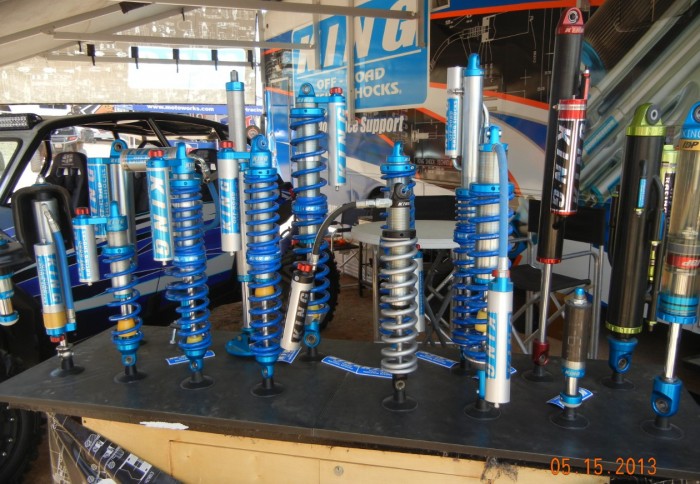
Are your shocks working for you?
Shocks are a key part of your truck. They keep your tires planted and the truck pointed where you want it. Without them, you’d be driving something closer to a 1940s John Deere tractor.
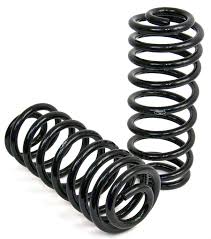
The shock isn’t doing all the work — the coil or leaf springs take the big hits, and the shock does the detail work. Every time you hit something, the wheel moves up out of the way, and each time it does there’s a chance it isn’t getting the traction to drive or steer (especially if the front wheels aren’t touching down).
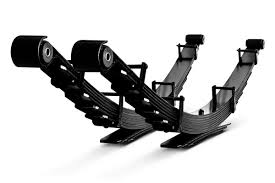
A shock moves up and down in controlled but quick motions. That keeps rubber on the dirt and stops the pogo-stick effect — if the shock moved too fast, it could combine with the springs to bounce the truck, and you rarely have control when you’re bouncing.
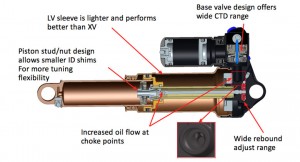
Shocks get hot too
Your shocks see constant, significant movement, and that creates heat and friction inside. Because the shock is filled with oil, that heat changes how the oil flows and reduces its smooth operation.
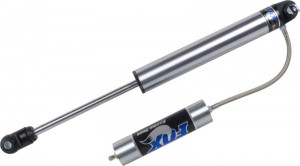
That’s what the reservoir is for. The extra oil and metal housing help hold oil temperature steady, which stabilizes the shock’s performance over long, tough runs. Bad shocks fade — bouncing, swaying and over-revving (wheels off the ground while your foot’s still on the gas) the longer you drive.
Some newer shocks use finned reservoirs to add surface area and cool the oil faster. Most high-end prerunner shocks are also charged with nitrogen to a set stiffness, and changing that PSI tunes the shock for the driving you’re doing — rock crawlers may run low PSI while trophy trucks flying through Baja run much higher.
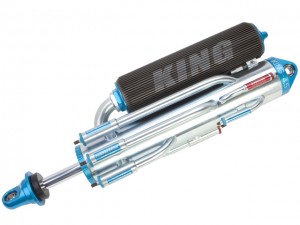
Finned reservoir to increase heat transfer and decrease oil temp.
Want to learn more, or figure out the best way to dial your truck in? Let us know and we’ll keep the info coming.
Categorized in: Prerunner Guides